CPAP Equipment
How to Choose the Right CPAP Mask
Choosing the right CPAP mask depends on your breathing style, comfort, sleep position, pressure needs, and mask fit. Learn how Cloud 9 helps patients find the right option.
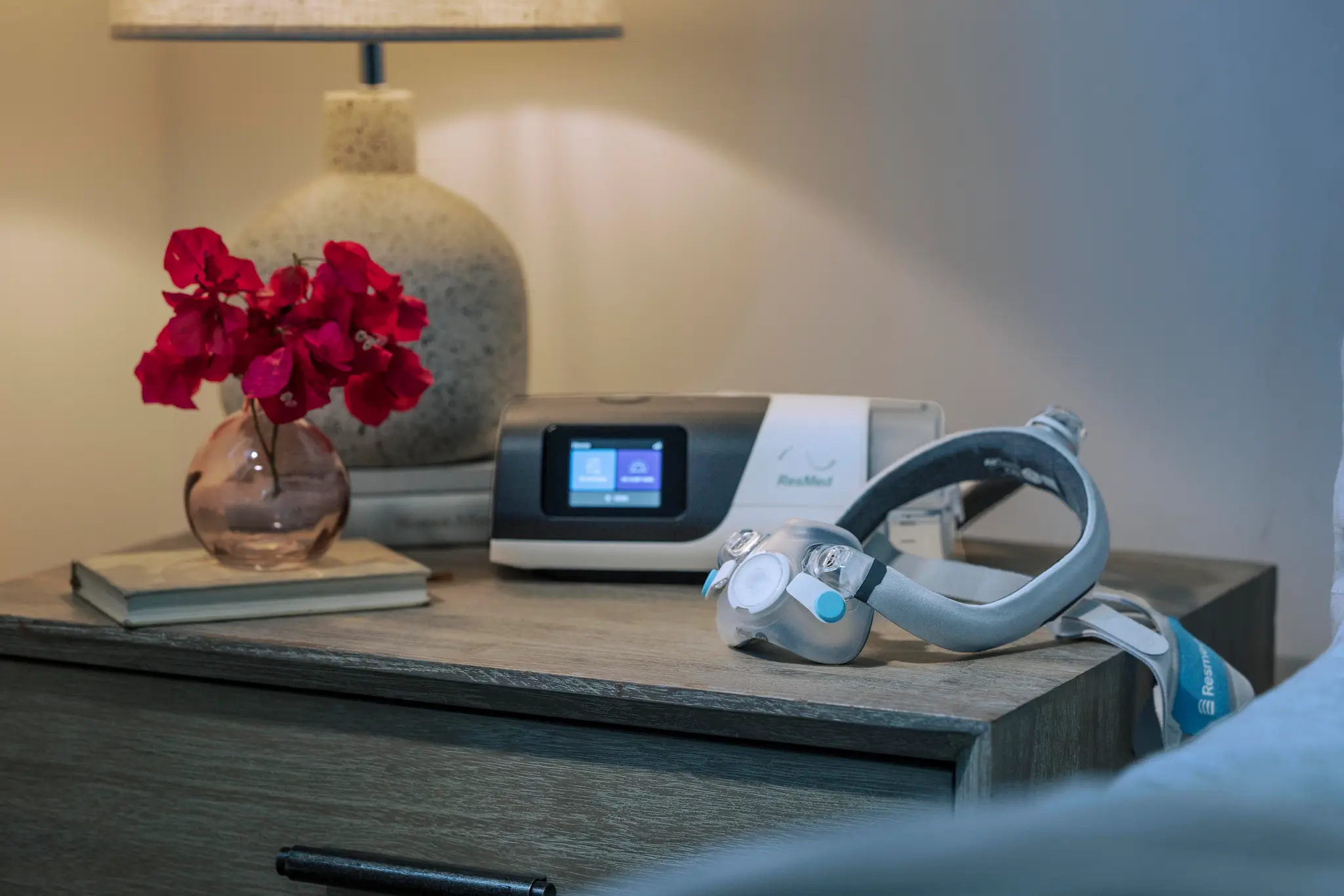
Why CPAP mask choice matters
Choosing the right CPAP mask is one of the most important parts of starting CPAP therapy. A CPAP machine can only work well when the mask is comfortable, fits properly, and suits the way you breathe and sleep.
Many patients ask, "How do I choose the right CPAP mask?" The answer depends on several things: whether you breathe through your nose or mouth, your sleep position, your pressure setting, facial shape, comfort, and whether you move around during the night.
Nasal mask vs nasal pillow mask vs full face mask
A nasal mask covers the nose and delivers air through the nose. This can be a good option for people who mainly breathe through their nose while sleeping. Nasal masks are common and can work well for many patients, especially when the mask needs to feel stable.
A nasal pillow mask sits at the nostrils instead of covering the whole nose. This style is usually smaller and lower profile. Some patients like nasal pillow masks because they feel less bulky, allow a clearer field of vision, or work better with glasses or facial hair.
A full face mask covers both the nose and mouth. This may be better suited for mouth breathers, people with nasal blockage or congestion, or patients who keep opening their mouth during sleep even after trying a nasal option with support such as humidification or a chin strap.
Best mask for nose breathers
If you breathe comfortably through your nose, a nasal mask or nasal pillow mask may be considered. Nasal masks can feel more secure for some patients, while nasal pillows may feel lighter and less restrictive.
The right choice also depends on pressure needs and comfort. A very small mask is not always the best mask. If it leaks, shifts, or feels uncomfortable, it can make therapy harder to use consistently.
Best mask for mouth breathers
If you breathe through your mouth at night, wake up with dry mouth, or have ongoing nasal congestion, a full face mask may be discussed. This style delivers air through both the nose and mouth, which can make therapy more comfortable for some patients.
A chin strap may help some occasional mouth breathers use a nasal mask, but it is not the right solution for everyone. If you cannot breathe comfortably through your nose, forcing a nasal mask may lead to frustration and poor therapy use.
Best mask for side sleepers or restless sleepers
Sleep position matters. A patient who sleeps on their side or changes positions often may need a mask that stays sealed without feeling too tight. Low-profile masks or masks with tubing positioned above the head can sometimes feel less restrictive for restless sleepers.
Mask stability is important. A mask that shifts every time you turn can lead to air leaks, noise, dry mouth, and interrupted sleep. A proper fitting helps reduce these issues.
What happens during a CPAP mask fitting
A CPAP mask fitting is not only about choosing a size. It includes facial shape, breathing style, sleep position, pressure setting, comfort, and personal preference. A mask that works well for one person may not work well for another.
During a fitting, the goal is to find a mask that seals without being overtightened. If a mask has to be pulled very tight to stop leaks, it may be the wrong size or style. Sometimes a small adjustment, cushion change, or different mask type can make a big difference.
Why comfort affects CPAP success
Comfort matters because CPAP therapy is used while you sleep. If the mask is uncomfortable, leaking, noisy, or leaving marks, many patients stop using it consistently. That does not mean CPAP cannot work for them. It may mean the setup needs to be adjusted.
At Cloud 9 Sleep Solutions, we go through a brief medical history and help patients choose a mask that fits their needs. We look at how you breathe, how you sleep, and what type of mask may be best suited for your therapy. Our goal is to make the process easier and help you feel more comfortable using your CPAP equipment.
The best CPAP mask is not always the smallest mask or the most popular mask. It is the one that fits your face, matches your breathing style, works with your pressure needs, and helps you use therapy comfortably.
Frequently Asked Questions
What is the best CPAP mask?
There is no single best mask for everyone. The best mask depends on your breathing style, sleep position, pressure setting, facial shape, and comfort.
Should I use a nasal mask or a full face mask?
Nasal masks may suit people who breathe comfortably through the nose. Full face masks may suit mouth breathers or people with nasal congestion. A fitting can help narrow the options.
Can I switch masks if the first one does not work?
In many cases, yes. If the mask leaks, feels uncomfortable, or makes therapy hard to use, ask your CPAP provider about fit adjustments or other mask styles.
Medical Disclaimer
This article is for general information only and is not a substitute for medical advice. If you think you may have sleep apnea, speak with your doctor or a qualified healthcare provider.